17.12.2024
DIGITAL WORLD
What is SEO? How is SEO done?
SEO stands for Search Engine Optimization.
France is a country that offers far more than Paris, bringing together a wide range of routes from medieval towns and Mediterranean coasts to Renaissance châteaux and vineyards. Thanks to the well-developed rail network between cities, it is possible to combine several regions within the same trip. However, since each region has its own climate, cuisine and ideal visiting period, planning your itinerary according to the season provides a more balanced experience.
Spring and autumn offer milder weather and relatively calmer visiting conditions in major cities. During the summer months, visitor numbers may increase in regions such as Provence, Normandy and the Côte d’Azur. Checking current opening hours for popular museums, monuments and châteaux, and booking tickets in advance where necessary, can reduce waiting times. Here are some important stops you can add to your France travel guide.
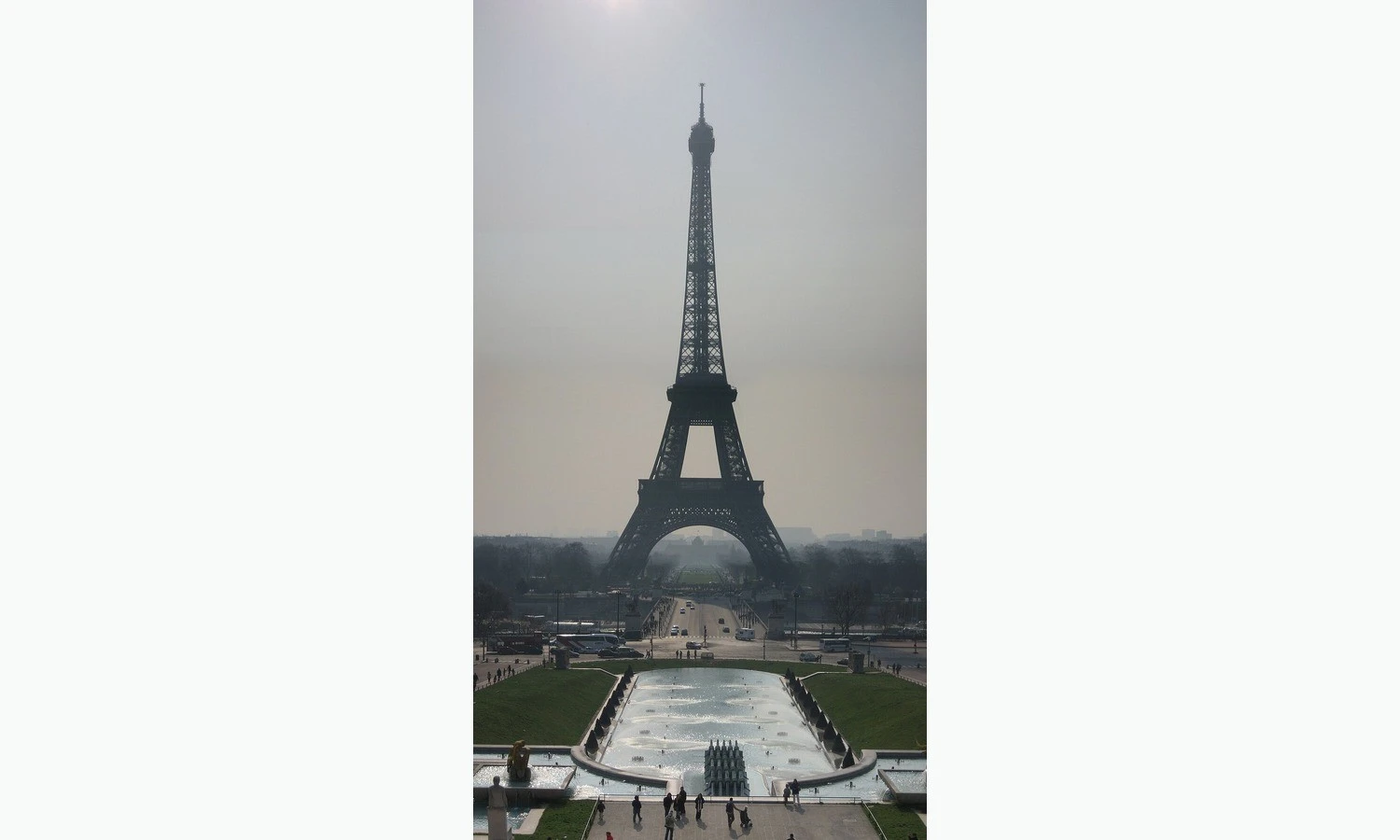
Although Paris is the first city that comes to mind when France is mentioned, the capital consists of much more than the Eiffel Tower and the Champs-Élysées. You can walk along the banks of the Seine, explore different periods of art at the Louvre and Musée d’Orsay, and visit the area around Notre-Dame Cathedral. The sloping streets of Montmartre, the cafés of Saint-Germain-des-Prés and the historic buildings of Le Marais each offer a different urban atmosphere.
The Tuileries Garden, Luxembourg Garden and Canal Saint-Martin are suitable places to rest during a busy sightseeing programme. Because popular museums may use timed-entry ticket systems, making a reservation can save time. Exploring Paris not only through its main monuments but also by walking between neighbourhoods allows you to observe the city’s daily life more closely.
Versailles, which can be reached from central Paris by regional train, is an important stop for those who want to experience French royal history and classical garden design together. The Palace of Versailles became the centre of royal government during the reign of Louis XIV and developed into one of the strongest symbols of the French monarchy. The Hall of Mirrors, royal apartments, chapel, extensive parkland and formal gardens form the main parts of the visit.
Because the garden area is very large, visitors should not limit themselves to the interior of the palace and should also allow time for the Grand Trianon, Petit Trianon and the Queen’s Hamlet. Although Versailles can be visited as a day trip from Paris, setting aside a full day is more suitable for those who want to see the palace and gardens without rushing. Before visiting, open areas, garden events and ticket rules should be checked through the official calendar.
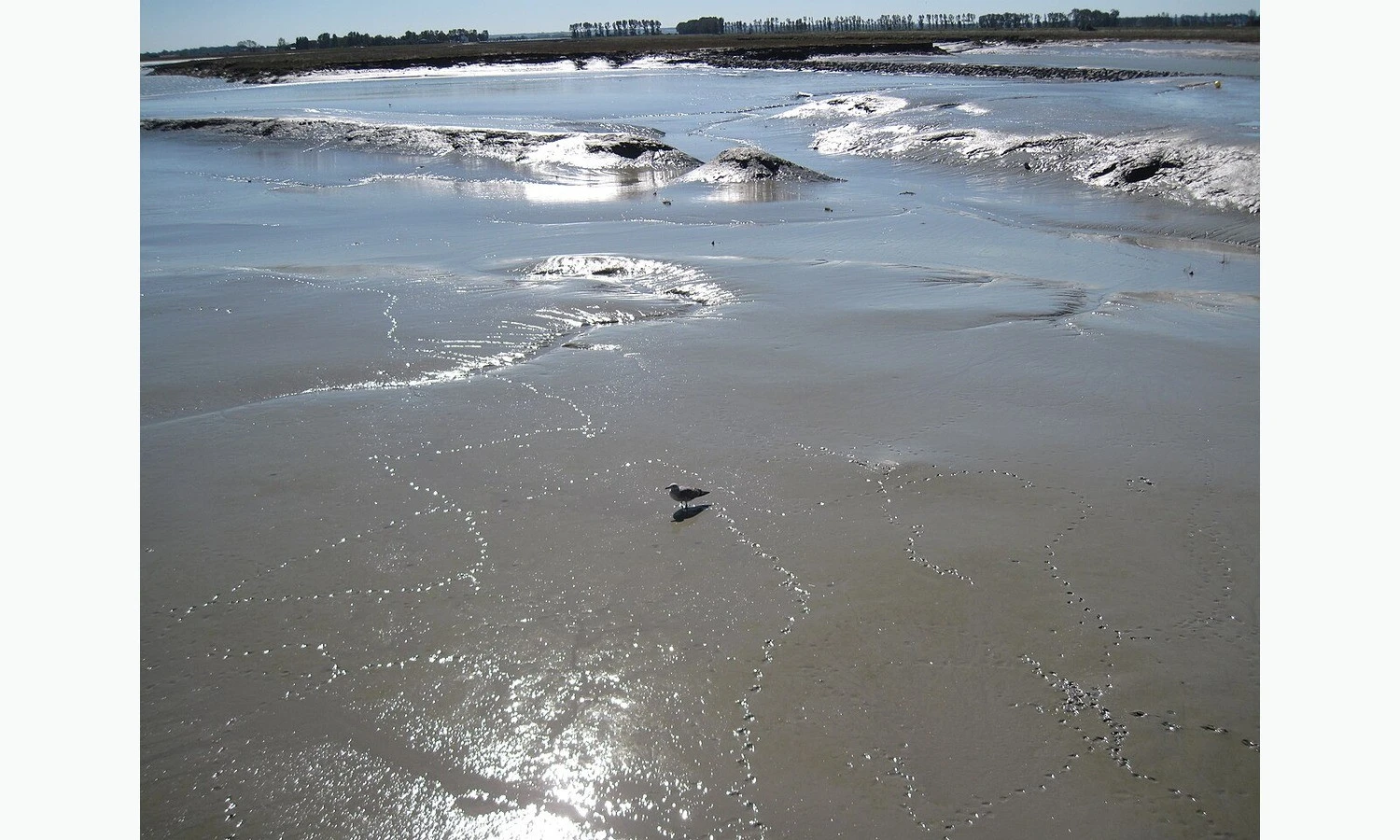
Mont-Saint-Michel on the Normandy coast is one of France’s most impressive historic landscapes, with its rocky island surrounded by tides, defensive walls and the abbey at its summit. The island and the surrounding bay are a UNESCO World Heritage site. Because the narrow streets rising from the main entrance towards the abbey can become crowded during the day, visiting early in the morning or in the evening may provide a calmer experience.
Comfortable shoes should be preferred because of the abbey’s many stairs. Those who want to walk across the bay should do so only with trained guides, as tidal and marsh conditions can make independent crossings dangerous. Travellers wishing to extend their Normandy itinerary can also add Bayeux, the cliffs of Étretat, Honfleur and the Second World War landing beaches to their programme.
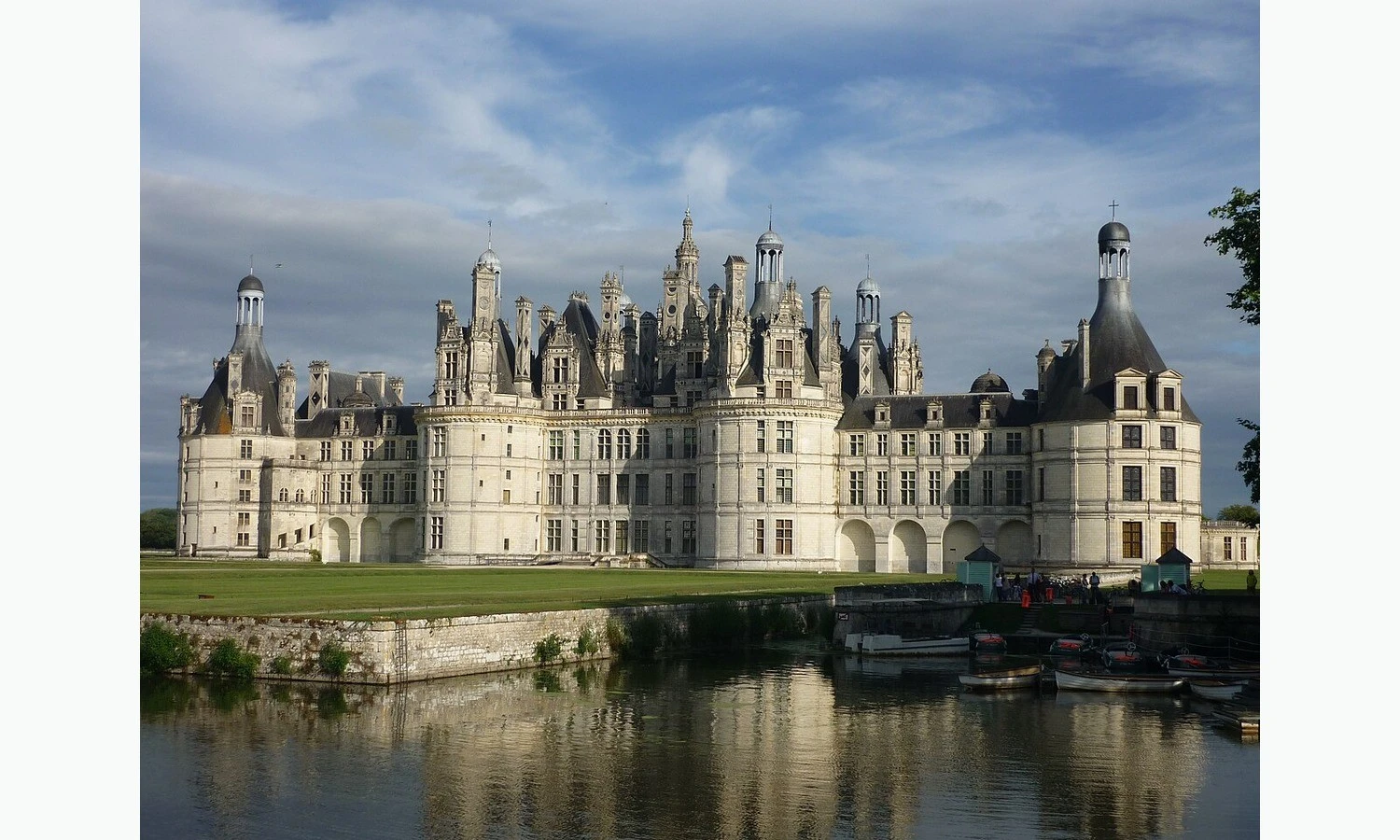
The Loire Valley is one of France’s most extensive cultural routes, with its châteaux, formal gardens, vineyards, historic towns and cycling paths stretching along the Loire River. Chambord, Chenonceau, Amboise, Blois, Villandry and Azay-le-Rideau are among the best-known sites in the region. Each château reflects a different period and architectural approach; Chambord stands out for its grand Renaissance design, Chenonceau for its elegant structure over the river, and Villandry for its geometric gardens. A large part of the valley is included on the UNESCO World Heritage List as a cultural landscape.
Instead of trying to fit every château into a short programme, choosing two or three sites located close to one another provides a more comfortable trip. Tours, Blois and Amboise are suitable bases for accommodation. In Amboise, Clos Lucé, where Leonardo da Vinci spent the final years of his life, can also be visited. The region is also notable for its white wines, goat cheeses and small riverside settlements. Cyclists can use the marked Loire à Vélo routes, while those travelling by car should check château opening hours, closed days and parking conditions in advance. Allowing at least two days for the Loire Valley is more suitable for seeing both the châteaux and the surrounding towns without rushing.
Strasbourg is a border city where French and German cultures meet in architecture, cuisine and everyday life. Grande-Île, Strasbourg Cathedral, the canals and the Petite France district surrounded by half-timbered houses can be explored on foot. While the European Parliament and other European institutions strengthen the city’s contemporary identity, the historic centre offers a more traditional atmosphere.
Day trips can be made from Strasbourg to Colmar and to towns such as Riquewihr, Eguisheim and Kaysersberg along the Alsace Wine Route. The Christmas markets in December are very popular; during this period, visitor numbers and accommodation prices increase. Spring or early autumn can be preferred for a quieter route.
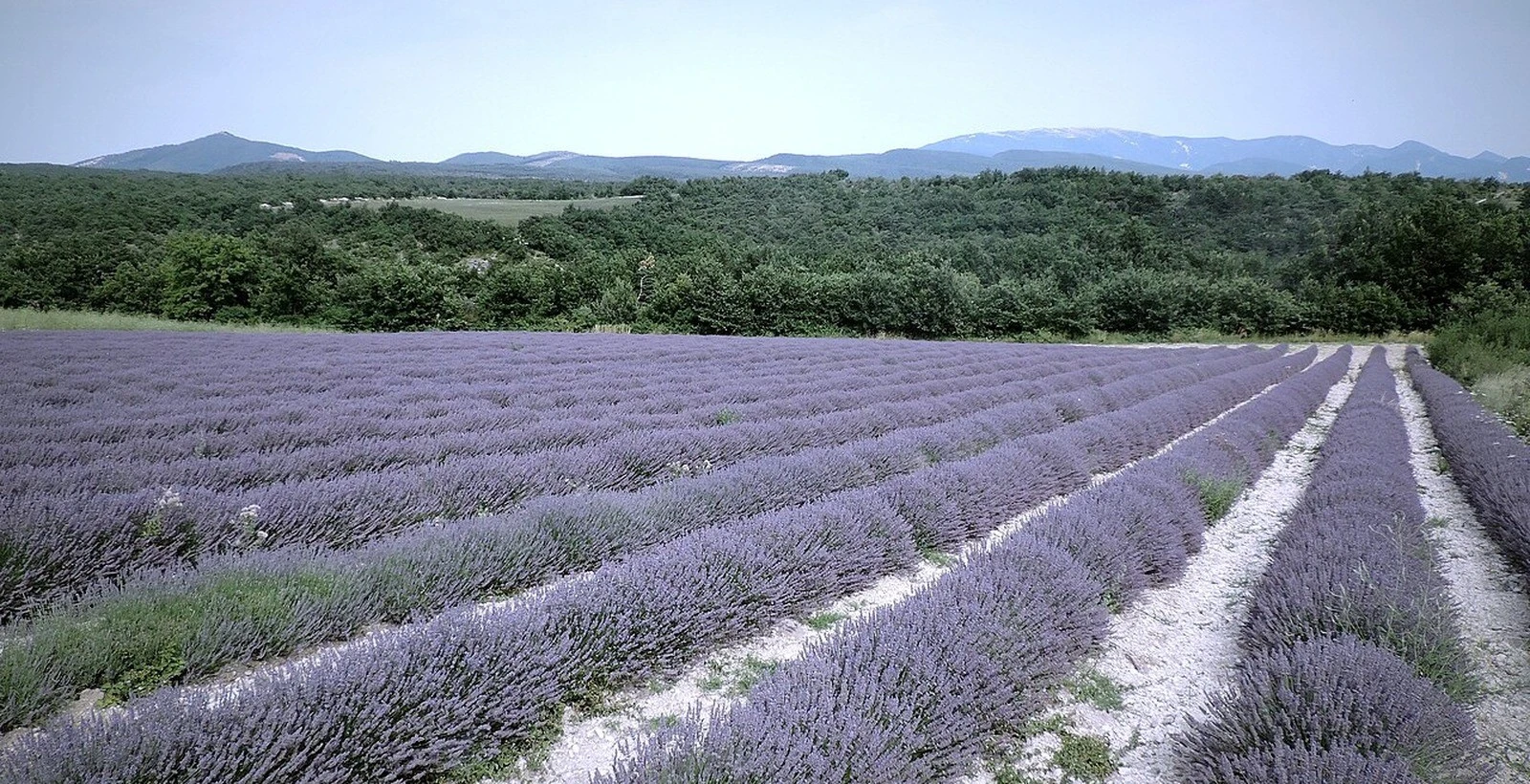
Provence is one of France’s most distinctive regions, with its lavender fields, stone villages, local markets and Mediterranean light. The squares of Aix-en-Provence, the Palace of the Popes in Avignon, the villages of the Luberon, the Verdon Gorge and the Roman heritage of Arles offer different travel experiences within the same region.
The lavender flowering period varies according to the area and weather conditions. Therefore, travellers visiting specifically to see the lavender fields should check current local information. Although the Valensole Plateau is one of the best-known locations, it can become crowded during busy hours. Renting a car provides a more flexible programme than public transport for reaching small villages and rural routes.
Nice is one of the strongest starting points for exploring the Côte d’Azur, thanks to its Mediterranean location, the Promenade des Anglais, colourful old town and art museums. You can see local products at the Cours Saleya market and enjoy views of the Baie des Anges from the Colline du Château viewpoint. The Matisse and Chagall museums also reflect the region’s relationship with art history.
Day trips can be made by train from Nice towards Antibes, Cannes, Menton and Monaco. Hilltop settlements such as Èze and Saint-Paul-de-Vence offer a different experience with their narrow streets and views. Because beaches and accommodation facilities are busy in July and August, May, June, September and October may provide more balanced visiting conditions.
Bordeaux, located on the banks of the Garonne River, is one of southwestern France’s major centres, with its 18th-century urban fabric, broad squares, tram network and wine culture. The area around Place de la Bourse and the Miroir d’Eau is among the city’s best-known views. The Cité du Vin offers a contemporary museum experience that examines wine history not only through Bordeaux but from a global perspective.
Tours are organised from the city centre to vineyard areas such as Saint-Émilion, Médoc, Graves and Sauternes. Those planning a tasting or vineyard visit should make reservations, especially during busy periods. Architecture, the riverside, gastronomy and the nearby Atlantic coast also provide strong alternatives for visitors who do not consume wine. Allowing at least two days for Bordeaux makes it possible to explore the city in a more balanced way.
Lyon, located where the Rhône and Saône rivers meet, is one of France’s richest city destinations, with nearly two thousand years of history and a strong gastronomic culture. The Renaissance streets of Vieux Lyon, the historic passageways known as traboules, Fourvière Hill and the Presqu’île district reflect different periods of the city. A significant part of the historic urban fabric is a UNESCO World Heritage site.
You can experience Lyon’s cuisine in traditional bouchon restaurants and explore regional products at Les Halles de Lyon Paul Bocuse. With its contemporary architecture and science and culture collections, the Musée des Confluences appeals to different age groups. Thanks to its train connections between Paris and the southern regions, Lyon can easily be added to a broader France itinerary.
While high-speed trains and public transport are generally sufficient between France’s major cities, renting a car provides greater flexibility for small villages, vineyard routes and natural areas. Rather than adding too many regions to the same trip, grouping nearby stops into a single route, taking travel times into account and allowing enough time for each region creates a more balanced journey. Complementary routes such as Paris and Versailles, Strasbourg and the towns of Alsace, Nice and the Côte d’Azur, or Bordeaux and Saint-Émilion can be preferred. This way, you can not only see the main attractions but also become more familiar with daily life, architecture and local culture in different regions of France.
If you're interested in this content, we recommend checking out our other blog posts on similar topics. You can find more content here.
#Fiyuva, #TravelFeatured Blogs
SEO stands for Search Engine Optimization.
Start-up is a concept used by entrepreneurs.
To understand content marketing, it's first necessary to grasp the meaning of the words 'content' and 'marketing' and establish the connection between.
You need to be aware of the statistical data your site obtains.