17.12.2024
DIGITAL WORLD
What is SEO? How is SEO done?
SEO stands for Search Engine Optimization.
Norway is one of Europe’s most distinctive travel destinations, with its deep fjords, high mountains, coastal towns, modern cities and nature experiences above the Arctic Circle. Because the country stretches across a long geography, fitting Oslo, the western fjords and the northern regions into one short programme can often be tiring. For a more balanced trip, it is necessary to choose one or two regions, calculate travel times in advance and prepare alternative plans suitable for the weather conditions.
In Norway, trains, ferries, buses and domestic flights connect different regions. While the railway line between Oslo and Bergen crosses the mountainous interior, ferries along the western coast make it easier to reach fjord settlements. The summer months are suitable for long days and nature walks, while winter stands out with the northern lights, skiing and snowy landscapes. Here are some important stops you can add to your Norway travel guide.
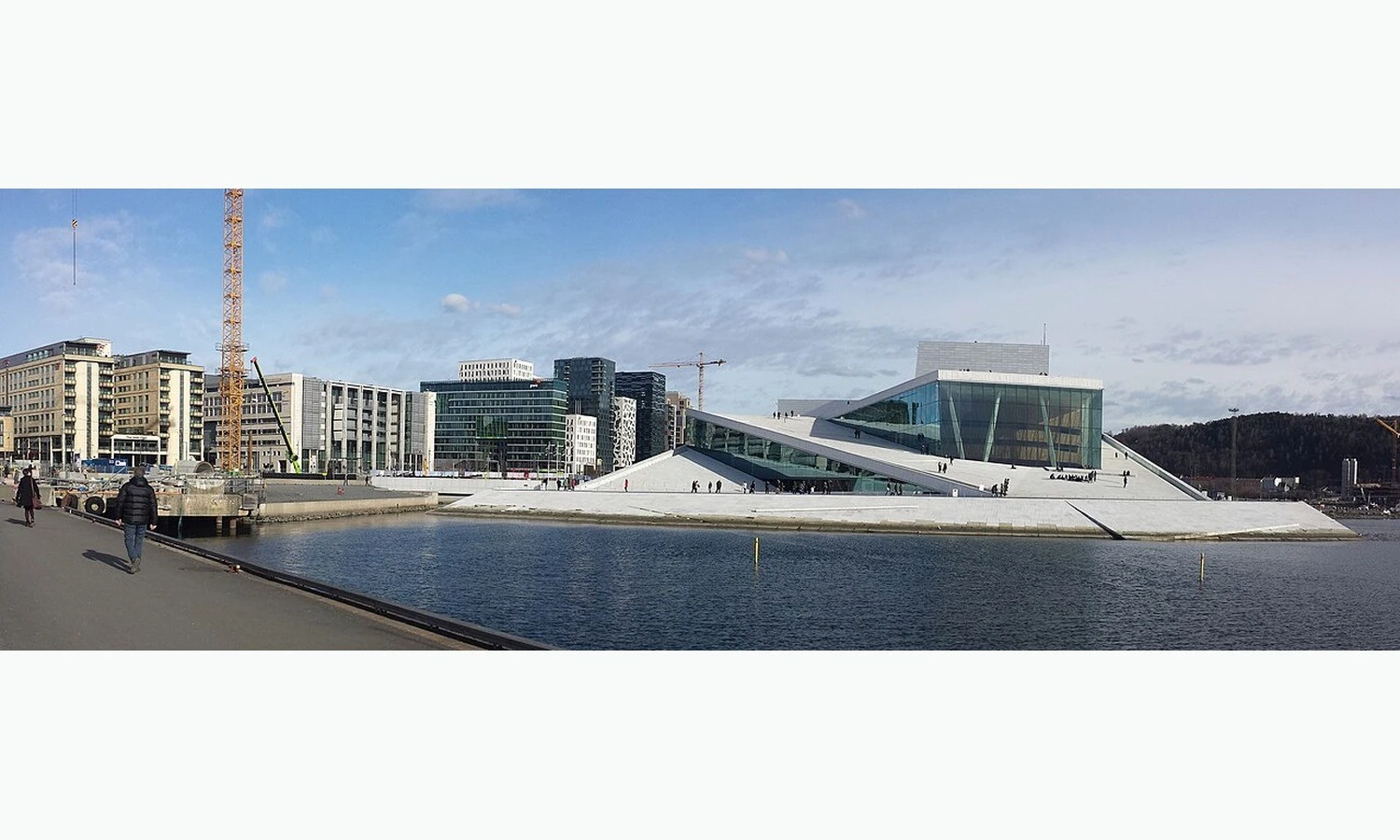
Oslo, the capital of Norway, brings together modern architecture, museums and extensive green spaces within the same city. You can walk on the sloping roof of the Opera House on the Bjørvika waterfront and visit the nearby MUNCH Museum and Deichman Bjørvika Library. By continuing along Karl Johans gate, you can reach the Royal Palace and enjoy views of the Oslo Fjord from the area around Akershus Fortress.
The Fram and Kon-Tiki museums on the Bygdøy peninsula focus on Norway’s maritime and exploration history. Vigeland Sculpture Park, Ekebergparken and the city ferries to the islands offer different options for those who want to spend time outdoors. Oslo has a highly developed public transport system; however, if many museums are to be visited, planning the daily programme by area saves time.
Bergen on Norway’s western coast is a historic port city known as the gateway to the fjords. The Bryggen district, famous for its colourful wooden buildings, is a UNESCO World Heritage site that preserves the city’s commercial importance during the Hanseatic League period. Narrow wooden passages, small workshops and historic warehouses offer an opportunity to observe the area’s former harbour character closely.
You can take the Fløibanen funicular to Mount Fløyen and view the city, harbour and surrounding islands from above. The Fish Market, KODE art museums and the streets of Nordnes are other places to visit in the city centre. Since Bergen can receive rain throughout the year, carrying waterproof outerwear and keeping walking plans flexible according to the weather is useful.
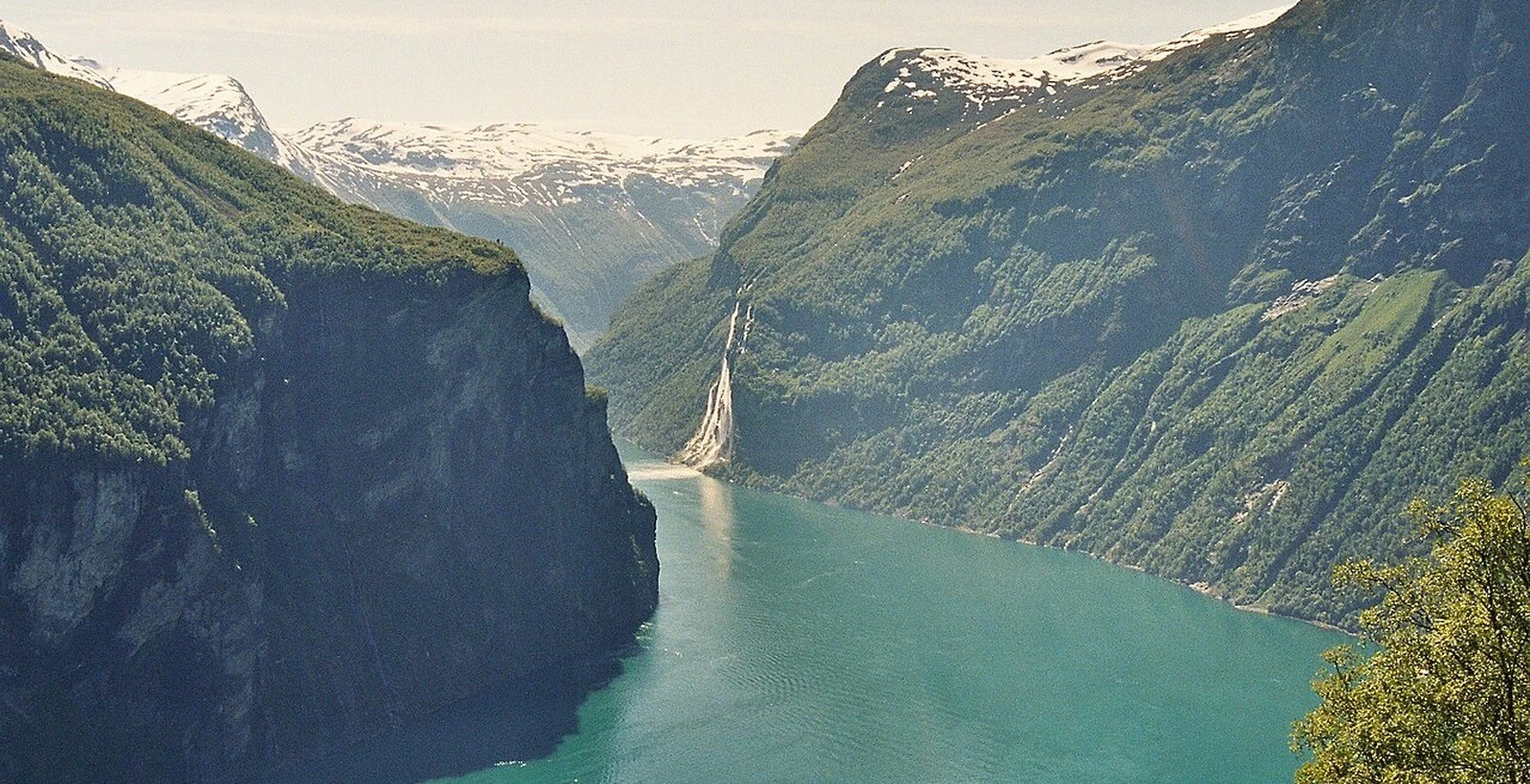
Geirangerfjord is one of Norway’s most impressive fjord landscapes, with its steep mountain walls, waterfalls and small farms clinging to the shoreline. Geirangerfjord and Nærøyfjord are included on the UNESCO World Heritage List under the name West Norwegian Fjords. Boat trips on the fjord make it possible to see waterfalls such as the Seven Sisters, the Suitor and the Bridal Veil from water level.
Ørnesvingen and Flydalsjuvet are among the best-known viewpoints for seeing the fjord from above. During summer, the centre can become crowded because of cruise ships and tour buses; early morning hours may be quieter. Since some mountain roads and viewpoints in the region may close seasonally, travellers by car should check current road conditions in advance.
Although Flåm is a small settlement located at the end of Aurlandsfjord, it is the centre of one of Norway’s best-known railway and fjord routes. The Flåm Railway runs on a steep line between Myrdal and Flåm, passing through mountainous terrain, valleys and close to waterfalls. The journey can be taken on its own or combined with the Oslo–Bergen railway route.
Boat journeys from Flåm towards Gudvangen are one of the most impressive ways to see Nærøyfjord, which is surrounded by narrow and high mountain walls. The Stegastein viewpoint offers a wide view over Aurlandsfjord. Since train and boat services in the region can fill up, especially during the high season, it is necessary to plan tickets in advance, check transfer times carefully and carry clothing suitable for changing weather.
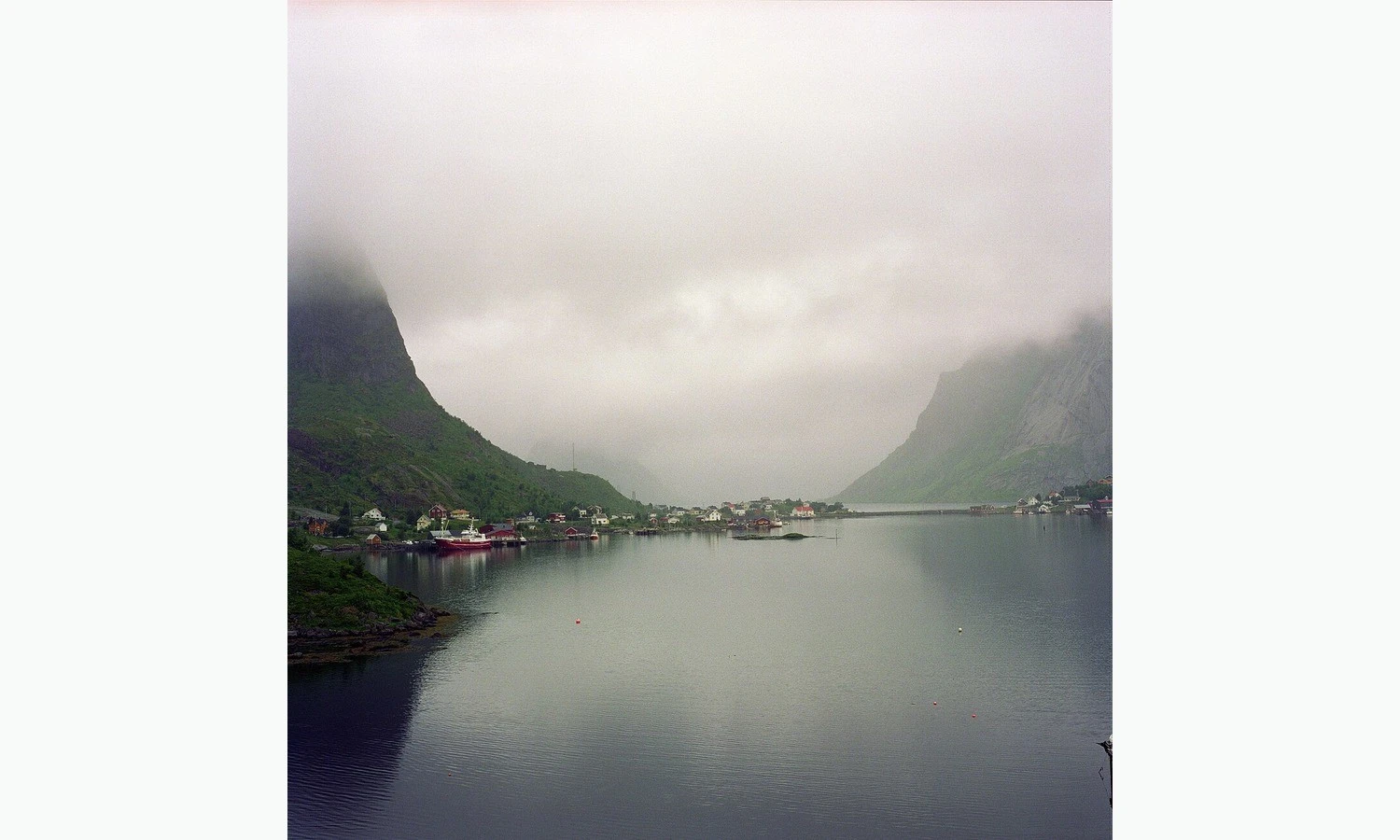
The Lofoten Islands create some of northern Norway’s most recognisable landscapes with mountains rising sharply from the sea, white sandy bays and red fishermen’s cabins. Settlements such as Reine, Hamnøy, Henningsvær, Nusfjord and Å offer different coastal views within short distances. Staying in traditional fishermen’s cabins known as rorbuer is one of the most characteristic ways to experience the region’s historic way of life.
In summer, daylight lasts for a very long time because of the midnight sun, while the northern lights can be seen in winter. Hiking routes such as Reinebringen offer impressive views but can be steep and demanding. Since the weather can change quickly, suitable footwear, layered clothing and choosing a safe route are important. Travelling between the islands by car provides flexibility; however, narrow roads and limited parking spaces during busy periods should be taken into account.
Tromsø, located above the Arctic Circle, is one of Norway’s most popular cities for experiencing the northern lights and polar night. The dark period between September and early spring may be suitable for northern lights tours; however, seeing this natural phenomenon cannot be guaranteed because it depends on clear skies and solar activity.
The Fjellheisen cable car offers a wide view over the city and the surrounding islands. The Arctic Cathedral, Polaria and the Polar Museum help visitors learn about the region’s nature and exploration history. Dog sledding, snowshoeing and reindeer experiences are available in winter, while hiking and boat trips under the midnight sun can be enjoyed in summer. Thermal layers and wind-resistant clothing are necessary during the cold season.
Stavanger is one of southwestern Norway’s important stops, with the Gamle Stavanger district of white wooden houses, its harbour and the surrounding nature routes. The city is one of the most frequently used starting points for reaching the Preikestolen cliff rising above Lysefjord. The flat rock platform, approximately 604 metres high, offers a wide view over the fjord.
Although the Preikestolen hike does not require technical climbing, it is a rocky, sloping route exposed to weather conditions. Suitable hiking shoes, water and spare clothing should be carried. Starting early on busy summer days can reduce crowds. Since fog, ice and strong winds can affect both the view and safety, the hike should not be started before current conditions are assessed.
Trondheim combines medieval heritage with student life and modern urban culture as one of Norway’s historic capitals. Nidaros Cathedral is one of the country’s most important religious buildings and has stood at the centre of pilgrimage routes throughout history. The colourful warehouses along the Nidelva River and the wooden houses of the Bakklandet district can be explored on foot.
You can cross Gamle Bybro to Bakklandet and view the city from Kristiansten Fortress. Rockheim and the science museums are suitable options for days with poor weather. Since Trondheim has railway and flight connections between Oslo and the northern regions, it can be considered a stop on a longer Norway itinerary.
Røros is one of Norway’s most distinctive historic settlements, with its copper-mining past, wooden houses and preserved urban fabric. The town and the mining culture in its surroundings form a UNESCO World Heritage site. Narrow streets, former workers’ houses, Røros Church and museum areas help visitors understand the life of a mining community that developed under harsh climatic conditions.
Although the town looks very impressive when covered in snow during winter, temperatures can be extremely low. The Rørosmartnan market in February highlights traditional products, horse-drawn transport and regional culture. In summer, walks and visits to local producers can be made in the surrounding area. Allowing at least one night in Røros, which can be reached by train from Oslo or Trondheim, is more suitable for exploring the historic centre without rushing.
In Norway, distances can take longer than they appear on a map; fjord crossings, ferry schedules, mountain roads and weather conditions directly affect transport planning. Instead of adding too many regions to the same trip, choosing complementary routes such as Oslo and Bergen, Bergen with Flåm and Nærøyfjord, Tromsø and its northern surroundings, or Stavanger and Lysefjord provides a more balanced programme. In summer, it is important to book transport and accommodation in busy regions in advance, while in winter weather and road conditions should be checked regularly. This way, you can not only see Norway’s famous landscapes but also experience its cities, coastal culture and changing natural conditions more closely.
If you're interested in this content, we recommend checking out our other blog posts on similar topics. You can find more content here.
#Fiyuva, #TravelFeatured Blogs
SEO stands for Search Engine Optimization.
Start-up is a concept used by entrepreneurs.
To understand content marketing, it's first necessary to grasp the meaning of the words 'content' and 'marketing' and establish the connection between.
You need to be aware of the statistical data your site obtains.